LiveChat
  Support
Anonymous Domain Registration: How to Register a Domain Privately and Legitimately
When you register a domain, your name, address, email, and phone number can end up in a publicly searchable database. For a hobby project that might not matter. For a journalist publishing under threat, a small business owner working from a home address, or anyone tired of spam and data scraping, it matters a great deal. Anonymous domain registration is the practice of registering a domain while keeping your personal contact details out of public view as much as legitimately possible.
This guide explains how domain privacy actually works, what changed after GDPR, the privacy layers available to you, and where the real limits of anonymity lie. The goal is straightforward: help you protect your personal information lawfully, not help anyone escape legal accountability.
Key Takeaways
• “Anonymous” domain registration usually means WHOIS privacy: your real details are replaced in the public directory by the privacy service’s contact information.
• GDPR already redacts much personal data from public WHOIS by default, especially for individuals in covered jurisdictions.
• Privacy operates in layers: the public WHOIS record, the registrar of record, and your payment method.
• True full anonymity is a myth. Registrars and registries still hold your data and must respond to lawful, valid legal requests.
• Legitimate uses include reducing spam, protecting personal safety, and shielding sensitive work, all while complying with laws and registrar terms.
What does “anonymous domain registration” actually mean?
Every domain registration is tied to a registrant. ICANN, the body that coordinates the domain name system, requires registrars to collect accurate registrant data. Historically, much of that data was published in WHOIS, a public lookup directory that anyone could query to see who owned a domain.
So when people search for “anonymous domain registration,” they almost never mean *no one knows who I am*. They mean: keep my personal details out of the public WHOIS record and away from spammers, scrapers, and casual lookups. That is an achievable and legitimate goal.
The main tool for this is WHOIS privacy (also called domain privacy protection or a privacy/proxy service). Instead of your name and home address, the public record shows the privacy provider’s relay details. Messages can still reach you through a forwarding system, but your raw personal data is shielded from public view.
Here is the part most marketing pages gloss over: “private” registration hides you from the public, not from your registrar or from lawful requests. Your registrar still knows exactly who you are, the registry holds records, and a valid legal process can compel disclosure. Anonymity in domains is a privacy layer, not an invisibility cloak. Treat any product that promises absolute, unbreakable anonymity with deep skepticism, because it cannot deliver that within the rules every registrar must follow.
How did GDPR change WHOIS privacy?
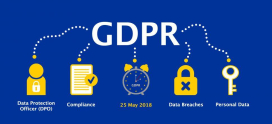
Before 2018, full WHOIS records were often published openly. The European Union’s General Data Protection Regulation (GDPR) changed the landscape significantly. Because publishing personal data of individuals raised serious privacy concerns, ICANN and registrars adopted a Temporary Specification that redacted large amounts of personal data from public WHOIS by default.
In practical terms, this means:
- For many registrations, especially those involving individuals, public WHOIS now shows redacted fields rather than full names and addresses.
- Access to the underlying data is typically gated, available to parties with a legitimate, lawful basis through defined request channels rather than open publication.
- The shift applies most clearly where data subjects fall under GDPR-style protections, though many registrars apply redaction broadly for consistency.
The takeaway: a meaningful baseline of privacy is now built into the system for many registrants. A dedicated WHOIS privacy service still adds value, particularly for organizations, certain top-level domains, and registrants outside heavily protected jurisdictions, but you are no longer starting from a fully exposed record in many cases.
What are the layers of domain registration privacy?
Privacy is not a single switch. It is a stack of layers, and each one protects against different exposure. Understanding the stack helps you make informed, realistic choices.
| Privacy layer | What it protects | What it does NOT do |
|---|---|---|
| WHOIS privacy / domain privacy protection | Hides your name, address, email, and phone from the public WHOIS lookup; replaces them with relay contact details | Does not hide your identity from your registrar or from valid legal requests |
| Registrar of record | The registrar holds your verified data and is your point of accountability; choosing a reputable, privacy-respecting registrar matters | The registrar always knows the true registrant and must comply with ICANN rules and lawful orders |
| Payment method | How you pay (card, PayPal, or in some cases cryptocurrency) can add or reduce a financial paper trail | Payment privacy does not anonymize the domain record itself, and you still must follow anti-fraud and legal requirements |
Layer 1: WHOIS privacy / domain privacy protection
This is the workhorse of domain privacy. When enabled, the public record displays the privacy service’s contact information instead of yours. Many registrars include it free; others charge a small annual fee. Note that a few country-code TLDs and certain registries restrict or disallow privacy services, so availability varies by extension.
Layer 2: registrar of record
Your choice of registrar is a privacy decision. A reputable registrar with clear privacy practices, transparent terms, and a strong security posture protects your underlying data far better than an obscure provider with vague policies. The registrar is also your accountability anchor: they verify who you are and stand behind the registration.
Layer 3: payment method
Some registrars accept cryptocurrency alongside cards and PayPal. Paid neutrally and factually: crypto can reduce the conventional financial paper trail tied to a registration, which some privacy-conscious registrants prefer. However, it does not make the domain itself anonymous, the registrar still collects required registrant data, and you remain bound by anti-fraud rules, sanctions compliance, and the registrar’s terms of service. Choose a payment method based on your legitimate privacy preferences, not as a way to avoid lawful obligations.
How do you choose a registrar that supports privacy?
Not every provider treats privacy the same way. When evaluating a registrar for anonymous domain registration, look for:
- WHOIS privacy availability for the specific TLD you want, ideally included rather than upsold aggressively.
- Transparent terms of service that explain how your data is stored, who can access it, and under what conditions it is disclosed.
- A clear, lawful disclosure policy, the registrar should respond only to valid legal requests, not arbitrary demands.
- Strong account security, including two-factor authentication, since your registrar account is the real gatekeeper to your domain.
- Reasonable payment options that match your privacy preferences without encouraging anything unlawful.
A provider that is honest about the limits of privacy is usually more trustworthy than one promising total, unbreakable anonymity.
What are the legitimate use cases for private domain registration?
Domain privacy is not about hiding wrongdoing. The most common and entirely legitimate reasons people seek it include:
- Reducing spam and scraping. Public WHOIS data is harvested by bots, leading to junk email, robocalls, and targeted phishing. Privacy protection cuts off that pipeline.
- Protecting personal safety. People facing harassment, including survivors of abuse and at-risk individuals, have a strong interest in keeping a home address out of a public directory.
- Supporting journalism and advocacy. Reporters, researchers, and activists operating lawfully may need to publish without exposing personal contact details to those who would intimidate them.
- Shielding small businesses and sole proprietors. Many run a business from a home address. Privacy keeps that residence off the public record while the business stays reachable.
- Reducing identity-theft surface. Less public personal data means fewer building blocks for social-engineering and fraud.
In every case, the registrant still provides accurate information to the registrar and complies with applicable laws and terms. Privacy and accountability coexist.
What are the real limits of domain anonymity?
Being honest about limits is what separates responsible privacy from false promises. Keep these realities in mind:
- Your registrar knows who you are. Privacy services mask the public record, not the registrar’s internal records.
- Registries hold data too. The organizations running each TLD maintain their own records.
- ICANN requires accurate data. Providing deliberately false registrant information can violate your registration agreement and risk losing the domain.
- Lawful requests can compel disclosure. Courts and authorities can require registrars to reveal registrant details through valid legal process.
- Some TLDs limit privacy. Certain extensions restrict or forbid privacy services, so the domain you choose affects how private you can be.
In short, you can keep your details out of public view, but you cannot place yourself beyond the reach of the law, and you should not try to. Responsible privacy means protecting yourself from spammers and bad actors while remaining a lawful, identifiable registrant to the registrar.
Best practices for private and secure domain ownership
To get the strongest legitimate privacy:
- Enable WHOIS privacy at registration, before your details are ever published.
- Use a dedicated email for domain administration rather than your primary personal address.
- Secure your registrar account with a strong, unique password and two-factor authentication.
- Keep your real contact details accurate with the registrar, even while they are hidden publicly. Accuracy protects your ownership.
- Review the TLD’s rules before buying, so you know whether privacy is supported.
- Renew on time and watch for expiration, since a lapsed domain can expose data or be lost.
Register privately with DarazHost
DarazHost offers domain registration with WHOIS privacy options that keep your personal contact details out of the public WHOIS directory, transparently and in full compliance with ICANN and registrar requirements. You get an easy-to-manage DNS control panel, clear and honest privacy practices rather than impossible promises, and 24/7 support to help you configure protection correctly. Whether you are a business safeguarding a home address or an individual reducing spam exposure, DarazHost helps you register and manage your domain privately and responsibly.
Frequently asked questions
Is anonymous domain registration legal? Yes. Using WHOIS privacy to keep your personal details out of the public directory is legal and widely supported. What is not allowed is providing deliberately false registrant data or using privacy to evade lawful obligations. You can be private to the public while remaining an accountable, identifiable registrant to your registrar.
Does WHOIS privacy make me completely anonymous? No. It hides your details from public WHOIS lookups, but your registrar and the registry still hold your real information and can disclose it in response to valid legal requests. Full, unbreakable anonymity is not something any legitimate registrar can offer.
Did GDPR already make WHOIS private? Largely, for many registrants. GDPR led ICANN and registrars to redact a great deal of personal data from public WHOIS by default, especially for individuals in covered jurisdictions. A dedicated privacy service still adds protection for organizations, certain TLDs, and registrants outside those protections.
Can I pay for a domain with cryptocurrency for more privacy? Some registrars accept cryptocurrency, which can reduce the conventional financial paper trail. It does not make the domain record itself anonymous, the registrar still collects required data, and you remain subject to anti-fraud and legal rules. Treat it as one privacy preference, not a path to escaping accountability.
Will every domain extension allow privacy protection? No. Some country-code TLDs and certain registries restrict or disallow privacy services. Check the rules for your chosen extension before registering, since the TLD affects how much privacy is available.