WooCommerce and Modern Online Retail: What It Does Well and What It Costs

WooCommerce and Modern Online Retail: What It Does Well and What It Costs

WooCommerce is an open-source e-commerce plugin for WordPress. It turns a WordPress site into a store with products, a cart, checkout, orders, taxes, shipping, and coupons — and it has become one of the most widely deployed e-commerce platforms on the web, largely because it inherits WordPress’s enormous installed base and plugin ecosystem. What follows […]

Read More »
How to Use Your Domain Name to Strengthen Your Brand

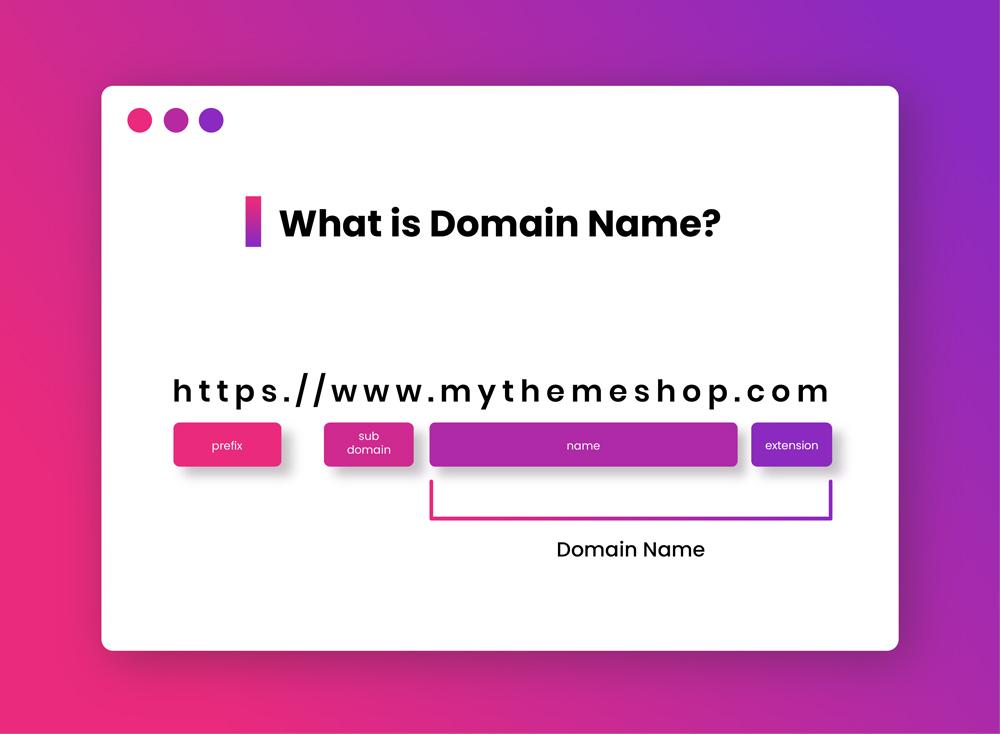
How to Use Your Domain Name to Strengthen Your Brand

Your domain name appears in every link someone shares, every email you send, every search result you rank for and every invoice you issue. It is the one asset that stays constant while your logo, your site design and your product line change around it. Choosing it well, and then protecting it, is worth more […]

Read More »
VPS Hosting: The Trends That Actually Change What You Should Buy

VPS Hosting: The Trends That Actually Change What You Should Buy

A VPS gives you a slice of a physical server with dedicated CPU, memory and storage allocations and full root access. That basic proposition has not changed. What has changed is the hardware underneath, the virtualisation technology, the tooling around provisioning, and the economics of a few specific inputs. Here is what is genuinely shifting, […]

Read More »
Apache vs LiteSpeed: Which Web Server Should You Choose?

Apache vs LiteSpeed: Which Web Server Should You Choose?

Apache and LiteSpeed both serve the same job: accepting HTTP requests and returning responses. They differ in how they handle concurrency, how caching is integrated, and how they are licensed. This comparison covers the differences that show up in production, and how to decide which one your site should be on. What each one is […]

Read More »
PHP Performance Optimization: What Actually Makes Sites Faster

PHP Performance Optimization: What Actually Makes Sites Faster

PHP performance work fails when it becomes a checklist applied blindly. Most slow PHP applications are slow for one or two specific reasons, and finding those reasons takes less time than applying twenty generic tweaks. This article covers how to identify the actual bottleneck, then the optimisations that reliably pay off once you know where […]

Read More »
Step-by-Step Guide to MySQL and MariaDB Replication

Step-by-Step Guide to MySQL and MariaDB Replication

Replication copies changes from one database server to one or more others. It is the foundation for read scaling, for maintaining a standby you can fail over to, and for taking backups without touching the machine serving production traffic. This guide sets up asynchronous replication between two servers, then covers monitoring, the failure modes you […]

Read More »
10 Reasons Enterprises Choose AlmaLinux

10 Reasons Enterprises Choose AlmaLinux

AlmaLinux exists because of a specific event: the end of CentOS Linux as a stable downstream rebuild of Red Hat Enterprise Linux. Organisations that had standardised on CentOS for servers with long production lifespans needed a replacement with the same compatibility and a similar support horizon. AlmaLinux is one of the projects that filled that […]

Read More »

Implementing Varnish Cache in a Virtualmin Environment

Varnish is an HTTP reverse proxy cache. Placed in front of a web server, it stores generated responses in memory and serves subsequent identical requests without the backend doing any work at all. On a content-heavy site with mostly anonymous traffic, that turns a PHP request costing tens or hundreds of milliseconds into a memory […]

Read More »
How APIs Actually Work in Practice: Integration, Reliability and Hosting

How APIs Actually Work in Practice: Integration, Reliability and Hosting

“Digital transformation” is a vague phrase, but the work underneath it is concrete: connecting systems that were previously separate so that data moves without someone retyping it. APIs are how that connection is made. This article covers what an API integration actually involves, the decisions that determine whether it stays reliable, and the hosting-side considerations […]

Read More »
Edge Computing and Web Hosting Performance: What It Does and Doesn’t Solve

Edge Computing and Web Hosting Performance: What It Does and Doesn’t Solve

Edge computing means running work at network locations close to users rather than in one central location. For infrastructure teams it is a genuine architectural shift. For most website owners the practical question is narrower and more useful: which parts of my site benefit from being served at the edge, which parts must stay at […]

Read More »