When Your Business Outgrows Shared Hosting: Moving to a VPS

When Your Business Outgrows Shared Hosting: Moving to a VPS

Shared hosting is the right answer for most sites for a long time, and then one day it stops being. The question worth answering is not whether a VPS is better in the abstract — it is whether your site is actually hitting the limits that a VPS removes. This article covers how to tell, […]

Read More »
Top PHP CMS Platforms for Content Management

Top PHP CMS Platforms for Content Management

Choosing a content management system commits you to a technology stack, a plugin ecosystem, a security posture, and a hiring pool. PHP-based systems dominate self-hosted content management because they run on ordinary shared hosting with MySQL or MariaDB, need no build server, and are supported by almost every host. This comparison covers five mature options, […]

Read More »
How to Create and Manage MySQL/MariaDB Stored Procedures

How to Create and Manage MySQL/MariaDB Stored Procedures

A stored procedure is a named block of SQL stored in the database and executed with CALL. Used well, procedures cut round trips, centralise business rules that must not vary between applications, and let you grant execute rights without granting table rights. Used badly, they become undocumented logic nobody can version-control. This guide covers writing, […]

Read More »
How to Use a CDN to Optimize Product Image Delivery

How to Use a CDN to Optimize Product Image Delivery

Product images are usually the heaviest thing on an e-commerce page, and image delivery is usually the cheapest large performance win available. A content delivery network helps by serving those images from a location near the visitor, but a CDN in front of badly prepared images mostly delivers bloat faster. This guide covers both halves: […]

Read More »
The Role of Apache in Microservices Architecture

The Role of Apache in Microservices Architecture

“Apache” means two different things in a microservices discussion, and conflating them causes real confusion. The Apache HTTP Server (httpd) is a specific piece of software: a web server and reverse proxy. The Apache Software Foundation is a nonprofit that hosts hundreds of unrelated projects, including Kafka, Camel, and Cassandra, which happen to share the […]

Read More »
Why Google Prioritizes HTTPS: SSL Certificates Explained

Why Google Prioritizes HTTPS: SSL Certificates Explained

Google announced HTTPS as a ranking signal in 2014, and since then browsers have moved from rewarding secure sites to actively penalising insecure ones — a page served over plain HTTP with a login or payment field is now marked “Not Secure” in the address bar. This article explains what HTTPS actually does, why search […]

Read More »
How to Use Product Bundling Plugins in WooCommerce

How to Use Product Bundling Plugins in WooCommerce

Bundling sells several products as one purchasable item, usually below the sum of the parts. In WooCommerce it is straightforward to set up and easy to get subtly wrong — particularly around stock, tax, and shipping, where a misconfigured bundle quietly loses money on every order. This guide covers choosing the right bundle type, configuring […]

Read More »
How to Use Staging Environments for WordPress Testing

How to Use Staging Environments for WordPress Testing

A staging environment is a working copy of your site that nobody but you can see. You break things there instead of on the site that takes orders. For any WordPress site with real traffic — and mandatory for any site with a checkout — this is the difference between a plugin update being a […]

Read More »
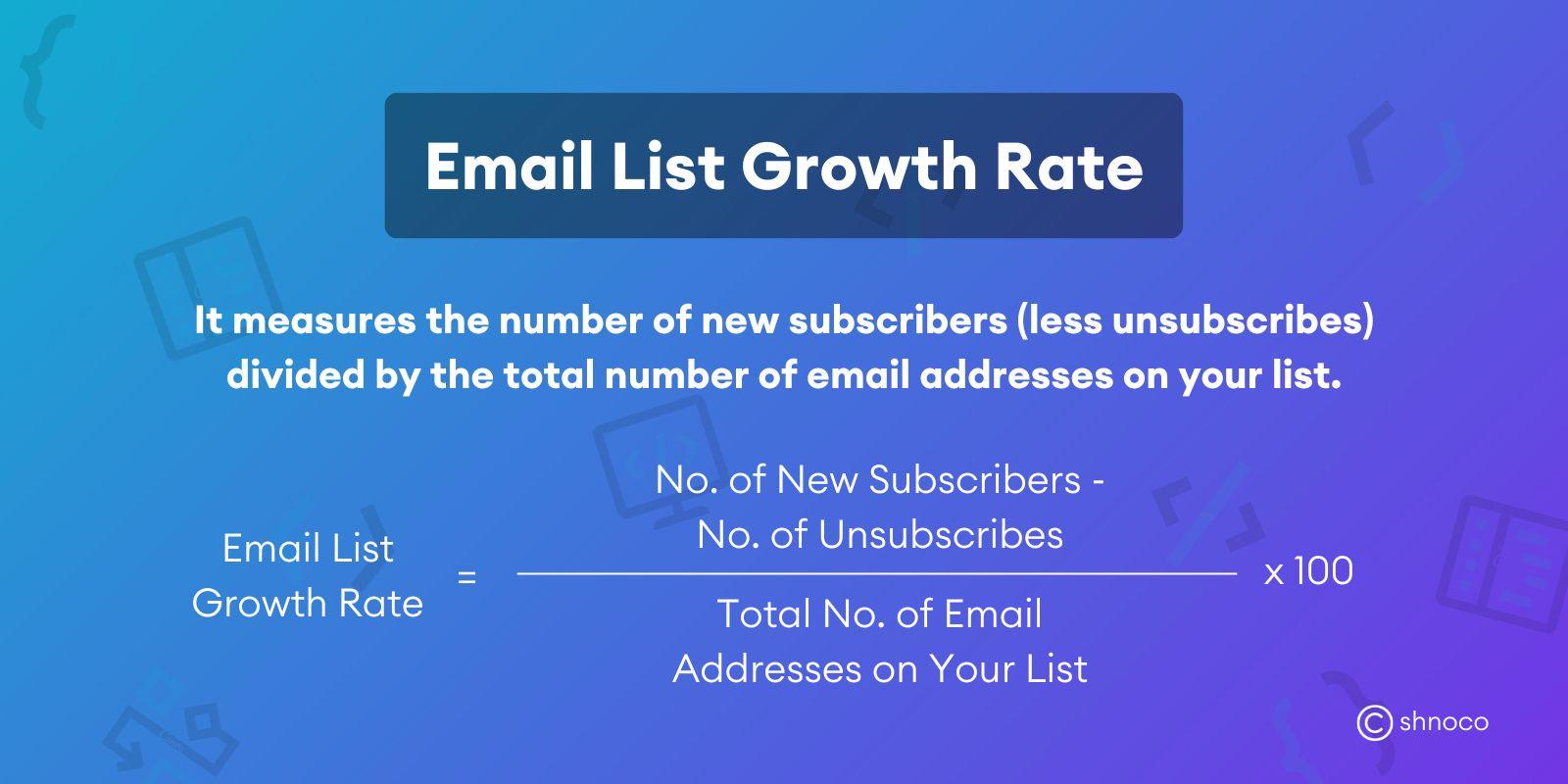
Best Practices for Email List Growth While Maintaining Quality

Best Practices for Email List Growth While Maintaining Quality

Growing an email list is easy. Growing one that still reaches the inbox two years later is the hard part. Every shortcut that inflates subscriber count — bought lists, pre-ticked boxes, prize draws unrelated to what you sell — degrades the asset that decides whether your email is seen at all: your sending reputation. This […]

Read More »
Building a Website for Your Coaching Practice with Managed WordPress

Building a Website for Your Coaching Practice with Managed WordPress

A coaching website has one job: turn a stranger who is considering working with you into someone who books a call. That is a narrower brief than a general business site, which makes the build simpler. This guide walks through setting one up on managed WordPress hosting, from domain to launch checklist, with attention to […]

Read More »