5 AlmaLinux Hacks to Supercharge Your Server

5 AlmaLinux Hacks to Supercharge Your Server

Are you feeling overwhelmed by the complexities of managing your AlmaLinux server? You’re not alone. Many server administrators wrestle with security configurations, performance tuning, and software installations that often seem daunting. But what if I told you that with a few clever hacks, you could turn your server into a powerhouse? Imagine transforming that struggling […]

Read More »
Virtualmin Cron Job Management: Automating Tasks

Virtualmin Cron Job Management: Automating Tasks

Routine server tasks — backups, cleanups, report emails, cache clearing — are easy to forget and tedious to do by hand. Cron jobs solve that by running commands automatically on a schedule, and Virtualmin gives you a clean interface for setting them up without touching the command line. This guide explains what cron jobs are, […]

Read More »
The Impact of Serverless Computing on API Integration

The Impact of Serverless Computing on API Integration

Serverless computing has changed how teams build and connect software. Instead of provisioning and maintaining servers, developers write functions that run on demand, and the cloud platform handles the infrastructure underneath. For API integration — the work of getting different applications to talk to each other — that shift removes a lot of operational overhead. […]

Read More »
Top 5 Benefits of Reseller Hosting for Your Business

Top 5 Benefits of Reseller Hosting for Your Business

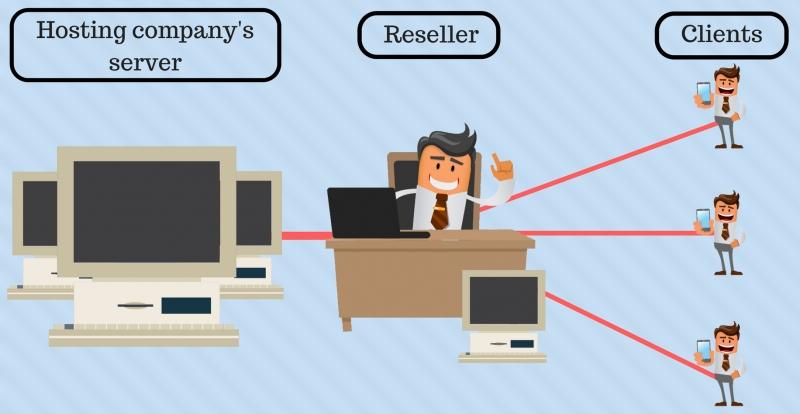
Starting a web hosting business sounds like it should require racks of servers and a network operations team. Reseller hosting removes almost all of that. You buy a block of hosting resources from an established provider, divide it into your own branded plans, and sell those to your customers — while the provider keeps the […]

Read More »
How to Protect Your Brand with Effective Domain Management

How to Protect Your Brand with Effective Domain Management

Your domain name is the front door to your brand online. If it lapses, gets hijacked, or is impersonated by a look-alike site, the damage lands on your reputation and your customers’ trust. Good domain management is the unglamorous but essential work of keeping that front door locked, labelled, and firmly in your name. This […]

Read More »
Managed Hosting vs. Unmanaged Hosting: Which Offers Better Support?

Managed Hosting vs. Unmanaged Hosting: Which Offers Better Support?

Choosing a hosting plan often comes down to one practical question: how much of the server do you want to run yourself? Managed and unmanaged hosting sit at opposite ends of that spectrum. One hands the technical work to a provider; the other hands you the keys and the responsibility. Neither is universally “better” — […]

Read More »
How to Secure Your WooCommerce Checkout Process

How to Secure Your WooCommerce Checkout Process

The checkout is the point where a customer decides whether to trust you with their payment and personal details. If it feels insecure, they abandon the cart; if it is genuinely insecure, a breach can cost you customers and reputation at once. Securing a WooCommerce checkout is a mix of encryption, the right payment setup, […]

Read More »
How to Use Geo-Targeted Domains to Reach Regional Audiences

How to Use Geo-Targeted Domains to Reach Regional Audiences

If you serve customers in specific regions, a generic global website can leave you competing on the same terms everywhere and connecting strongly nowhere. Geo-targeted domains, and the localisation strategy behind them, help you show up in local search and speak directly to each audience. This guide explains what geo-targeting involves, the domain structures available, […]

Read More »
Understanding Layer 4 and Layer 7 Load Balancing

Understanding Layer 4 and Layer 7 Load Balancing

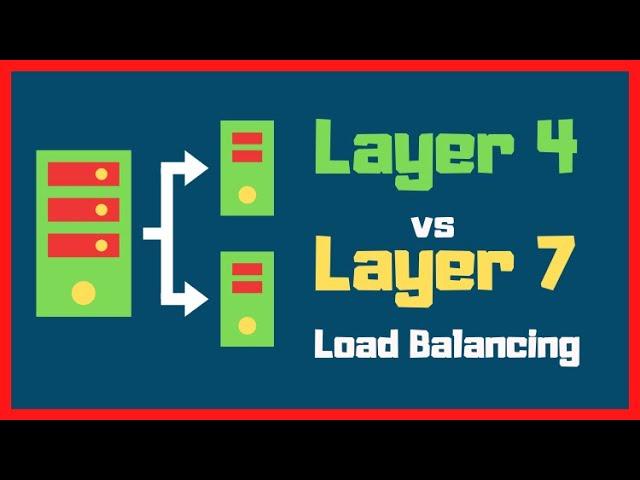
Load balancing is what keeps busy websites fast and available: instead of sending every request to one server, a load balancer spreads traffic across several so no single machine is overwhelmed. But not all load balancers work the same way. The two most common approaches, Layer 4 and Layer 7, make routing decisions at different […]

Read More »