LiveChat
  Support
Cheap SSL Certificates: Are Low-Cost or Free SSL Certs Worth It?
If you are shopping for a cheap SSL certificate, you have probably noticed something confusing: some certificates cost nothing, others cost a few dollars a year, and a handful run into hundreds. The natural assumption is that the expensive ones must be “more secure.” In most cases, that assumption is wrong.
The truth is that the *encryption* you get from a free certificate and a premium certificate is identical. What changes with price is the level of identity validation, the warranty, and the support that comes attached. Understanding that distinction is the difference between overpaying for security you already have and underspending on trust signals your business actually needs.
This guide breaks down what cheap and free SSL certificates really offer, how the validation tiers (DV, OV, EV) differ, and when paying makes genuine sense.
Key Takeaways
• A free DV SSL certificate (for example, from Let’s Encrypt) encrypts traffic exactly as strongly as a paid DV certificate. Encryption strength is not a paid feature.
• You pay for validation level, warranty, and support, not for stronger cryptography.
• DV (Domain Validation) verifies you control the domain. OV and EV verify your *organization’s identity* through manual vetting.
• Cheap and free SSL is ideal for blogs, personal sites, and most small business sites. Paid OV/EV suits enterprises, finance, and high-trust commerce.
• Wildcard and multi-domain coverage, plus formal support and warranties, are the practical reasons to buy rather than use free SSL.
What Does an SSL Certificate Actually Do?
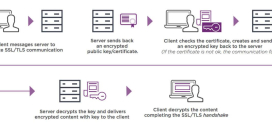
An SSL/TLS certificate does two jobs. First, it encrypts the connection between a visitor’s browser and your server, so data in transit cannot be read or tampered with. Second, it authenticates your site, confirming that visitors are talking to the real domain and not an impostor.
The padlock icon in the browser and the `https://` prefix are the visible result. Both come from the same underlying protocol regardless of how much you paid.
Here is the part most buyers miss: the encryption half of that job is standardized. A certificate issued for free uses the same modern cipher suites and key strengths as a certificate that costs hundreds of dollars. The differences sit entirely in the authentication half, which is where validation tiers come in.
What Are the SSL Validation Types (DV, OV, EV)?
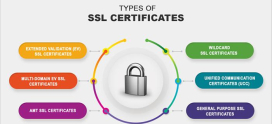
SSL certificates are sold by validation level, not by encryption strength. There are three tiers, and the price you pay tracks how much identity checking the certificate authority (CA) performs.
Domain Validation (DV)
DV certificates confirm one thing: that you control the domain. Validation is automated, usually completed in minutes via a DNS record, email, or file check. There is no human review of your business. This is the tier you get from free providers and from the cheapest paid certificates. For blogs, portfolios, and most small business sites, DV is entirely sufficient.
Organization Validation (OV)
OV certificates add a layer: the CA verifies that your organization is a real, registered entity. This involves checking business records and often a callback. The result is a certificate that ties your domain to a *vetted company name*, which appears in the certificate details. OV suits businesses that want a verifiable identity signal without the full EV process.
Extended Validation (EV)
EV certificates require the most rigorous vetting, following standardized industry guidelines. The CA confirms legal, physical, and operational existence. EV is most common with banks, large e-commerce platforms, and organizations where demonstrating verified identity is part of building user trust.
Comparison: Free vs Cheap DV vs OV vs EV
| Feature | Free SSL (DV) | Cheap Paid DV | OV | EV |
|---|---|---|---|---|
| Encryption strength | Industry standard | Industry standard | Industry standard | Industry standard |
| Validates domain control | Yes | Yes | Yes | Yes |
| Validates organization identity | No | No | Yes | Yes (extended) |
| Issuance time | Minutes | Minutes to hours | Days | Days |
| Warranty included | No | Usually | Yes | Yes (highest) |
| Formal vendor support | Community | Yes | Yes | Yes |
| Best for | Blogs, personal, small sites | Small business, projects | Companies, SaaS | Finance, enterprise, high-trust commerce |
| Typical cost | Free | Low | Moderate | Higher |
Is a Free SSL Certificate as Secure as a Paid One?
For encryption, yes – and this is the single most misunderstood point in the entire SSL market.
A free DV certificate from a reputable authority like Let’s Encrypt secures the connection using the same TLS protocols, the same cipher suites, and the same key strengths as a paid DV certificate. A browser cannot tell the difference, an attacker intercepting the connection cannot tell the difference, and your visitors’ data is protected to the same standard either way. The padlock from a free cert and the padlock from a $200 cert represent identical encryption.
What you are *not* paying for is stronger security. What you *are* paying for, when you buy, is:
- Identity validation beyond domain control (the OV/EV business vetting that free certs skip).
- A warranty, which is a financial guarantee from the CA in the rare event of a mis-issuance.
- Vendor support, so there is a team to call when installation or renewal goes wrong.
- Wildcard and multi-domain options packaged conveniently, often with longer management cycles.
So the honest framing is this: free SSL gives you the *security*. Paid SSL gives you the *trust signals, guarantees, and support* layered on top of that same security. Choosing between them is a business decision, not a security one.
When Should You Pay for SSL Instead of Using Free?
Free DV SSL is the right default for a large share of websites. But there are clear situations where a cheap paid certificate – or a more expensive OV/EV one – earns its cost.
You Need Verified Business Identity
If your site handles sensitive transactions or you operate in a sector where trust is currency (finance, healthcare, B2B SaaS), an OV or EV certificate lets you display a vetted organization name. That third-party verification is something a free DV cert structurally cannot provide.
You Want a Warranty and Formal Support
Free certificates come with community support and no warranty. For a business, having a named vendor, an SLA-style support channel, and a financial warranty can be worth the modest annual fee on its own – especially if your team is not deeply technical.
You Manage Wildcards or Many Subdomains
A wildcard SSL certificate secures unlimited subdomains (`*.yourdomain.com`) under one certificate, and multi-domain (SAN) certificates cover several distinct domains. While some free options now offer wildcards, paid wildcard and multi-domain products are often easier to manage at scale with centralized renewal and support.
You Prefer Longer, Hands-Off Renewal Cycles
Free certificates typically renew on short cycles and rely on automation. When automation breaks, the site can show a security warning. Paid certificates with managed renewal reduce that operational risk for teams that would rather not babysit cron jobs.
What Does “Cheap” SSL Buy You Over Free?
A low-cost paid DV certificate sits in an interesting middle ground. It does not give you stronger encryption than free, and it does not give you the organization vetting of OV/EV. So what is the actual value?
In practice, a cheap SSL certificate buys you packaging and peace of mind: a warranty, a support contact, often a longer validity window with managed renewal, and a clean purchase-and-install experience. For many small businesses, paying a small fee to never think about expiry automation again is a reasonable trade. For a hobby blog, free DV remains the smarter choice.
Get HTTPS the Easy Way with DarazHost
You should not have to choose between security and simplicity. DarazHost hosting plans include free SSL out of the box – automatic SSL provisioning via Let’s Encrypt means your site gets full HTTPS encryption with no manual setup and no extra cost. The certificate installs and renews automatically, so the padlock simply stays on.
When your business needs more than domain validation, DarazHost also offers premium SSL options for organizations that require verified identity, warranties, or wildcard and multi-domain coverage. Either way, you get easy installation and 24/7 support from a team that handles the technical details for you.
Whether you need free auto-SSL for a new site or a vetted certificate for a high-trust business, make HTTPS the default, not a chore.
How Do You Choose the Right SSL for Your Site?
Match the certificate to what your site actually needs to prove:
- Personal site, blog, or portfolio? Free DV SSL. You need encryption, not business vetting.
- Small business or new store? Free DV is fine to start; consider cheap paid DV if you want a warranty and support.
- Established company or SaaS? Consider OV to display a verified organization identity.
- Finance, enterprise, or high-trust commerce? EV for the most rigorous identity assurance.
- Many subdomains? A wildcard certificate, free or paid depending on your management needs.
The guiding principle: never pay for “stronger encryption,” because that does not exist as a paid upgrade. Pay only for validation, warranty, support, or coverage that your situation genuinely requires.
Frequently Asked Questions
Does a cheap or free SSL certificate weaken my site’s security?
No. Encryption strength is determined by the TLS protocol and cipher suites, which are the same across free, cheap, and premium certificates. A free DV certificate from a trusted authority protects data in transit just as strongly as an expensive one. The price difference reflects identity validation, warranty, and support – not cryptographic strength.
Will visitors see any difference between free and paid SSL?
For DV certificates, visitors see the same padlock and `https://` regardless of price. The visible difference appears only with OV and EV certificates, where a vetted organization name is recorded in the certificate details, giving a verifiable identity signal that free DV certificates do not carry.
Is Let’s Encrypt safe to use for a business website?
Yes. Let’s Encrypt is a widely trusted, automated certificate authority whose certificates are recognized by all major browsers. It is suitable for most business sites that need solid encryption. Businesses that specifically need verified organization identity, a warranty, or formal vendor support are the ones that benefit from a paid OV or EV certificate instead.
What is the difference between a wildcard and a multi-domain SSL certificate?
A wildcard certificate secures one domain and all of its subdomains (`*.example.com`) under a single certificate. A multi-domain (SAN) certificate secures several distinct domains in one certificate. Choose wildcard for many subdomains under one domain, and multi-domain when you manage multiple separate domains.
Do I need to renew a free SSL certificate manually?
Usually not, if your host automates it. Free certificates often have shorter validity periods, but reputable hosting providers automate issuance and renewal so the certificate refreshes silently. With DarazHost auto-SSL, renewal is handled for you, so the padlock stays active without manual intervention.
The Bottom Line
A cheap SSL certificate – or a free one – delivers the same encryption as a premium certificate. The cryptography is standardized, browser-trusted, and identical across price points. What you pay for as the price rises is identity validation, warranties, support, and coverage convenience, not stronger security.
For most websites, free DV SSL is the correct, secure choice. Pay for SSL when your business genuinely needs verified identity, a warranty, formal support, or wildcard and multi-domain management – and not a dollar before then.