LiveChat
  Support
Dedicated Server Reseller Business: Models, Margins, and How to Start
Reselling web hosting is one of the most accessible ways to build a recurring-revenue business online. But as your client base grows, the entry-level reseller plan that once felt spacious starts to feel like a cage. That is where the dedicated server reseller model enters the picture: instead of renting a slice of someone else’s server, you control an entire physical machine and turn it into your own hosting platform.
This guide explains exactly what it means to resell dedicated servers, how the model differs from traditional reseller hosting and VPS reselling, the business models you can choose from, and the trade-offs you need to weigh before committing capital.
Key Takeaways
• A dedicated server reseller leases a full physical server and either sublets it or carves it into many client hosting accounts.
• It differs from reseller hosting (a managed slice of a shared server) and VPS reselling (virtualized partitions) by offering full hardware control and far more headroom.
• Core models include rent-to-resell, managed reselling, and running your own dedicated box with WHM/cPanel to create unlimited accounts within hardware limits.
• Higher margins and control come at the cost of management responsibility, support load, and upfront capital.
• The model best suits growing agencies and large resellers who have outgrown a standard reseller plan.
What Does It Mean to Be a Dedicated Server Reseller?
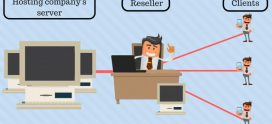
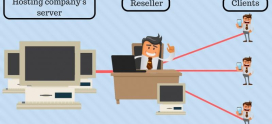
A dedicated server reseller is a business that leases an entire physical server from a hosting provider or data center, then resells that capacity to its own clients. Unlike a shared or reseller plan where dozens of customers sit on the same machine, the reseller controls the whole box, including root access, the operating system, the control panel, and resource allocation.
There are two broad interpretations of the term, and it helps to separate them:
- Subletting the hardware: You lease one or more dedicated servers and re-lease whole servers (or large, isolated chunks) to clients who want dedicated-grade performance without dealing directly with a data center.
- Hosting many clients on one box: You take a single dedicated server, install a control panel like WHM/cPanel, and create dozens or hundreds of individual hosting accounts on it, effectively becoming a hosting provider yourself.
The second interpretation is by far the most common for agencies and independent hosts, because it converts one fixed monthly cost into many recurring client invoices.
How Does Dedicated Server Reselling Differ From Reseller Hosting and VPS Reselling?
The three models are often confused because they all let you sell hosting under your own brand. The difference lies in isolation, control, and headroom.
With reseller hosting, you buy a quota (disk, bandwidth, accounts) on a shared server the provider manages. You create client accounts through WHM, but you never touch root, and a noisy neighbor on the same machine can still affect performance. With VPS reselling, you control a virtualized partition with guaranteed resources and root access, but you still share the underlying physical hardware. With a dedicated server, the entire machine is yours, with no virtualization overhead and no neighbors at all.
Comparison Table
| Factor | Dedicated Server Reselling | Reseller Hosting | VPS Reselling |
|---|---|---|---|
| Hardware control | Full physical machine | None (managed slice) | Virtual partition only |
| Root access | Yes | No | Yes |
| Performance ceiling | Highest (no sharing) | Lowest (shared) | Medium (shared hardware) |
| Typical capacity | Hundreds of accounts | Limited account quota | Moderate, scalable |
| Management burden | High | Low (provider-managed) | Medium |
| Upfront cost | Highest | Lowest | Medium |
| Best for | Growing agencies, large resellers | Beginners, small resellers | Mid-stage resellers |
The practical takeaway: as your account count climbs, the cost-per-account on a dedicated server drops, while a reseller plan’s per-account economics stay flat or worsen as you hit quota limits.
What Are the Main Dedicated Server Reseller Models?
Choosing a model is mostly a decision about how much management you want to own versus outsource.
Rent-to-Resell
You lease a dedicated server and resell whole servers or large isolated segments to clients who need dedicated performance. Your margin comes from the spread between what you pay the data center and what you charge clients, plus any value-added services. This model is capital-light per deal but requires you to manage provisioning and client relationships.
Managed Reselling
Here you lease a managed dedicated server where the provider handles hardware, patching, and core maintenance, while you focus on selling and supporting client accounts. You trade some margin for dramatically reduced operational overhead, which is ideal if you lack a dedicated systems administrator.
Self-Managed With WHM/cPanel
You take an unmanaged or self-managed dedicated server with full root, install WHM/cPanel, and create individual hosting accounts (each with its own cPanel) for your clients. This is the highest-margin, highest-control model, and the one most agencies graduate into.
Here is the insight that reframes the whole decision: a dedicated server running WHM/cPanel is functionally the same reselling platform you already know from a reseller plan, just with the artificial ceiling removed. When you buy reseller hosting, you are renting a fixed slice of someone else’s WHM. When you put WHM on your own dedicated box, you get the identical account-creation workflow, the same cPanel interface for clients, and the same DNS and email tooling, but the disk, RAM, CPU, and account limits are now bounded only by the hardware you control. For a reseller who has already mastered WHM, moving to a dedicated server is not a new skill set to learn. It is the same dashboard with far more room to grow, which is why it is often the single most cost-effective scaling step a busy reseller can take.
What Are the Pros and Cons of Reselling Dedicated Servers?
The Advantages
- Stronger margins: One fixed server cost spread across many paying accounts improves your per-client economics as you scale.
- Full control: Root access lets you tune the OS, choose your control panel, configure security, and install custom software.
- Raw power and isolation: No virtualization overhead and no noisy neighbors means consistent performance you can confidently sell.
- Brand independence: You operate as a real hosting provider under your own brand, not a tenant on a shared plan.
The Trade-Offs
- Management responsibility: Unless you choose a managed plan, you own patching, security hardening, backups, and uptime.
- Support load: Becoming the provider means your clients’ problems become your problems, around the clock.
- Upfront capital: A dedicated server costs more than a reseller plan, and you carry that cost whether the box is half-empty or full.
The honest summary: dedicated reselling rewards operators who can fill the server and either manage it well or pay a provider to do so. It punishes those who buy more capacity than they can sell or maintain.
Who Is Dedicated Server Reselling Best Suited For?
This model fits two profiles cleanly. Growing agencies that already host client sites on scattered shared or reseller plans can consolidate everything onto one powerful, controllable machine, improving performance and simplifying billing. Large resellers who consistently bump against reseller-plan quotas gain a far higher ceiling and better unit economics by moving to dedicated hardware.
It is generally not the right first step for a brand-new reseller with a handful of clients. For them, a standard reseller plan remains the smarter, lower-risk starting point until demand justifies the jump.
What Should You Look for in a Dedicated Server Provider?
When evaluating a provider for a reselling business, prioritize the factors that directly affect your clients and your sleep:
- Full root access and a WHM/cPanel option so you can run your reselling platform exactly how you want.
- Powerful, modern hardware with enough CPU, RAM, and fast SSD/NVMe storage to host many accounts comfortably.
- Reliable uptime backing, ideally with a clear uptime commitment, since your clients’ uptime depends on it.
- Strong security posture, including network protection and the ability to harden the OS.
- Responsive 24/7 support, because when you are the provider to your clients, you need a provider behind you who answers fast.
- Room to scale, whether through upgrade paths, additional servers, or flexible resource options.
Build Your Hosting Business With DarazHost
If you are ready to turn hosting into a real revenue stream, DarazHost dedicated servers give you the foundation: full root access, powerful resources, and an optional WHM/cPanel setup so you can spin up client accounts with all the headroom a dedicated machine provides. It is the natural home for an agency or reseller who has outgrown a fixed plan and wants room to grow without re-platforming later.
Not ready for a full dedicated box yet? Our Reseller SSD Hosting tiers let you start smaller and scale up as your client base expands, using the same WHM workflow you will carry forward to dedicated hardware. Across both, DarazHost backs you with hardened security, a 99.9% uptime commitment, and 24/7 support so you can focus on selling and serving clients while we keep the infrastructure solid.
Whether you are launching your first reseller accounts or consolidating dozens of client sites onto dedicated power, DarazHost gives you a clear path from starter to scale.
Frequently Asked Questions
Is a dedicated server reseller the same as reseller hosting?
No. Reseller hosting gives you a managed slice of a shared server with no root access, while a dedicated server reseller controls an entire physical machine with full root. Both can use WHM to create client accounts, but the dedicated model offers far more performance and headroom.
Do I need technical skills to resell dedicated servers?
It depends on the model. A self-managed dedicated server requires comfort with server administration, security, and WHM/cPanel. A managed dedicated server shifts hardware maintenance and patching to the provider, making it far more approachable for non-administrators.
How many client accounts can I host on one dedicated server?
There is no fixed limit imposed by a quota the way there is on a reseller plan. The practical limit is your hardware, namely CPU, RAM, and storage, and how resource-hungry each client site is. This is precisely why dedicated reselling offers so much more headroom than a capped reseller plan.
When should I upgrade from reseller hosting to a dedicated server?
Upgrade when you consistently hit your reseller plan’s account or resource quotas, when client performance starts to suffer, or when the per-account economics of a dedicated machine beat your current plan. Growing agencies and large resellers are the typical candidates.
Can I use WHM/cPanel on a dedicated server?
Yes. Installing WHM/cPanel on a dedicated server turns it into a full reselling platform with the same account-creation workflow you would use on a reseller plan, but bounded only by your hardware rather than an artificial plan cap.